In tarot, The Fool represents the soul standing at the absolute zero of potential: a fresh start taken on pure trust, untethered by past burdens or rigid expectations. Numbered 0, it marks the threshold of a new journey, inviting you to meet life with spontaneity, innocence, and curiosity rather than calculation.
What does The Fool mean upright?
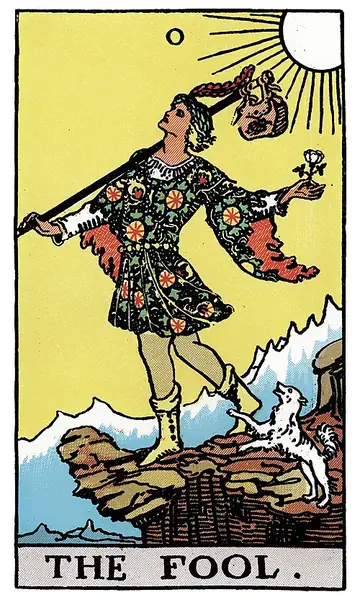
Upright, The Fool signifies stepping forward onto an open road with an honest heart and the nerve to proceed without guarantees. It is the archetype of the beginner who travels light, unburdened by cynicism or overthinking. This card appears when an opportunity calls for genuine faith in the process rather than a meticulously planned script.
In the Rider–Waite–Smith tradition, whose iconic deck was published in 1909, Arthur Edward Waite described this figure as the spirit in search of experience. While Waite’s historical divinatory catalogue recorded harsher Victorian notes—such as folly, mania, extravagance, intoxication, and delirium—modern tarot practice views the card with calmer nuance. Today, we recognize it as the capacity for healthy spontaneity, genuine curiosity, and the courage to take a leap of faith into unfamiliar territory.
What does The Fool mean reversed?
When reversed, freedom often loses its balance. In one direction, it tips into recklessness and naive risk: taking a blind gamble, leaping with eyes shut, or evading adult responsibility under the banner of personal liberty. In this state, unexamined trust leaves you vulnerable to being exploited by others.
In the other direction, the reversal manifests as paralysis at the cliff’s edge. A necessary beginning is endlessly postponed because fear and hesitation overtake you. Waite associated the reversed card with negligence, apathy, and vanity. As a mirror for self-reflection, it asks whether you are behaving carelessly without considering consequences, or freezing in place when growth requires you to move.
How does The Fool interpret love and relationships?
In readings focused on love, The Fool speaks of a fresh, carefree start with an open heart and no guarantees. For someone new to dating, it represents meeting a partner without dragging along the emotional baggage, bitterness, or defensive armor of past wounds. It invites mutual playfulness and emotional presence.
Within an established partnership, The Fool suggests a season of renewal. It encourages shedding tired routines, trying something spontaneous together, and looking at each other with fresh eyes. Because the card offers no promises about where things will end, it asks for emotional honesty: cherish the freedom of the connection in the present, while staying aware of reality.
What does The Fool suggest about work and money?
In professional situations, The Fool indicates a new venture, an unfamiliar role, or an untried creative path. It invites you to experiment, learn on your feet, and explore innovative directions. The pragmatic advice of the card, however, is clear: embrace the new venture, but plan the landing. Enthusiasm initiates the journey, but thoughtful grounding sustains it.
Financially, The Fool reflects spending or investing driven by sheer optimism and excitement. When reading upright, backing an inspired idea is natural, provided you keep your eyes open. When reversed, it highlights impulsive financial gambles and naive speculation. Before committing your resources, examine the figures carefully. The core advice is always consistent: take the first step with an open heart, and look where your feet land.
Is The Fool a yes or no card?
In direct yes-or-no questions, The Fool reads as a yes. It affirms action, starting anew, and trusting your instinct to begin. Remember that tarot functions as a conversation with yourself rather than a predictor of fate. A “yes” from The Fool validates the courage to explore, but it reminds you that the outcome depends on the steps you take once you are moving.
What is pictured on the card and why?
Illustrated by Pamela Colman Smith under Waite’s direction, the card portrays a young traveller stepping toward a steep cliff edge with eyes lifted to the sky. Rather than watching the ground, the traveller looks ahead, embodying the spirit setting out entirely on trust.
Every visual element carries a specific meaning:
- The white rose: Held gently in the traveller’s hand, the white rose symbolizes pure desire and untainted intentions, untouched by cynicism.
- The light bag: Suspended from a carved staff, the small bundle shows how little the traveller carries. Worldly possessions and mental clutter are minimal.
- The white dog: Dancing excitedly at the traveller’s heels, the dog represents natural instinct. It serves as an inner companion that cheers the spirit on while alerting it to danger.
- The white sun: Rising behind the figure, the bright sun acts as a blessing on the start, bathing the beginning of the journey in clarity and renewal.
What are the esoteric correspondences of The Fool?
In the esoteric system of the Hermetic Order of the Golden Dawn, The Fool is rich with symbolic connections:
- Golden Dawn Title: The Spirit of Aethyr
- Hebrew Letter: Aleph (meaning “ox”)
- Kabbalistic Path: Path 11: Kether-Chokmah
- Astrological Attribution: Air (with Uranus assigned in later attribution)
- Element: Air
To explain the distinction plainly: the astrological attribution comes directly from the Golden Dawn framework, which assigned the Hebrew Mother letter Aleph to the primal element of Air (later esotericists associated it with the planet Uranus). The element field of Air is a modern convention derived from the Golden Dawn—attributing an element to each card based on its sign or planet—used to calculate elemental dignities and energetic interactions between cards in a spread.
Which cards strengthen or change The Fool?
When cards interact in a spread, their meanings refine one another:
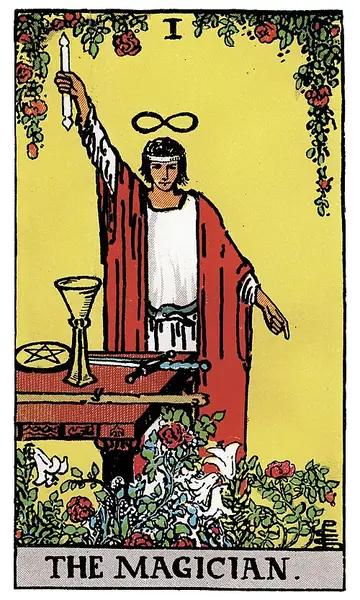
- The Fool + The Magician: When paired, this combination represents a new beginning backed by real skill. The raw optimism and spontaneous impulse of The Fool receive structure, deliberate focus, and practical capability from The Magician, turning a leap of faith into an accomplished initiative.
What are the most common misreadings of The Fool?
A frequent mistake is treating The Fool as an accusation of stupidity, ignorance, or poor judgment. The card is not an insult to the querent. Instead, it signifies innocence, an uncorrupted perspective, and raw potential waiting to be shaped.
Another common error is treating the card as an automatic promise of good fortune. While The Fool encourages the leap, it does not guarantee a safe landing. It calls for self-trust and active awareness, inviting you to engage with life as an adventure rather than demanding a pre-written insurance policy.